

Millions of Americans risk their health and lives every day working some of the most dangerous jobs. From harvesting timber in remote forests to working on skyscrapers, professionals who face all kinds of hazards are also the backbone of the economy.
In this article, we’ll examine what makes a job dangerous and which ones come with the biggest risks. We’ll see which jobs are the most dangerous in America and around the world, what these occupations are like, the skills they require, and how much they pay.
Lastly, we’ll discuss whether the risk is worth it and, if the hazardous jobs are right up your alley, teach you how to write a resume for them.
Key Takeaways
Most dangerous jobs are occupations where there is a much higher chance of injury or death compared to typical positions.
The best and fairest metric to assess occupational danger is the fatal injury rate per 100,000 workers.
The single most dangerous job in the U.S. is that of logging workers, with a fatal injury rate of 110.4 per 100,000.
Other hazardous occupations include fishing and hunting workers, roofers, refuse and recyclable material collectors, and small aircraft pilots.
Dangerous jobs typically offer higher salaries, lower barriers to entry (no degree requirements), and stronger benefits (e.g., death and disability insurance).
What Makes a Job "Most Dangerous"?
A job is generally considered to be “most dangerous” when there’s a significantly increased risk of injury or death compared to other occupations. When classifying jobs as dangerous, researchers rely on concrete data instead of assumptions.
Here are three key metrics that are typically used when assessing and determining occupational danger:
Fatal injury rate per 100,000 workers. This figure measures the relative risk of dying on the job compared to the total number of full-time employees in that field. For instance, a high-risk occupation can have a rate of 50 fatal injuries per 100,000 workers.
Total number of fatalities per year. This metric represents the sheer number of tragic losses in an industry, providing a broader view of the risks.
Nature of hazard exposure. This looks at the variety of threats that workers face daily, such as extreme heights, heavy machinery, or unpredictable weather.
Ultimately, the fatality rate is the fairest metric, as it provides accurate proportions. A massive retail industry might have a high number of fatal accidents simply because of its large workforce. A fatal injury rate per 100,000 workers shows the true danger and probabilities that workers face in their fields.
Top 10 Most Dangerous Jobs in America
Let’s take a look at the 10 most dangerous jobs in America, according to the latest Census of Fatal Occupational Injuries (CFOI) data released by the Bureau of Labor Statistics (BLS), before we dive into each individual occupation:
Job Title | Fatal Injury Rate (per 100,000) | Median Annual Salary | Key Hazard |
|---|---|---|---|
Logging Workers | 110.4 | $49,540 | Falling timber, heavy machinery |
Fishing and Hunting Workers | 88.8 | $55,945 | Drowning, storms, vessel accidents |
Roofers | 48.7 | $50,970 | Extreme heights, slips, heat |
Structural Iron and Steel Workers | 37.8 | $61,940 | Falls, suspended loads |
Refuse and Recyclable Material Collectors | 37.4 | $47,810 | Traffic accidents, toxic materials, heavy machinery |
Aircraft Pilots and Flight Engineers | 36.7 | $219,140 | Mechanical failure, adverse weather, pilot error |
Construction Laborers and Helpers | 35.8 | $46,050 | Heavy machinery, falling |
Underground Mining Machine Operators | 35.6 | $65,290 | Structural failures, collisions, crushing injuries |
Delivery Truck Drivers | 25.7 | $42,770 | Highway collisions |
Grounds Maintenance Workers | 20.9 | $65,290 | Equipment accidents, transport incidents |
#1. Logging Workers
Fatality rate: 110.4 per 100,000 workers
Median annual salary: $49,540
Logging workers consistently rank as number one on the list of the top 10 most dangerous jobs in the United States. They primarily operate in isolated, hazardous terrain and dangerous weather conditions using chainsaws and maneuvering heavy machinery.
This results in numerous risks and significant unpredictability. Leading causes of death are falling trees and equipment accidents.
Many logging workers acquire the necessary skills and knowledge through apprenticeships and on-the-job experience rather than formal education.
Typical skills required for this role include:
Physical endurance
Spatial awareness
Adherence to safety procedures
Precision machinery operation
#2. Fishing and Hunting Workers
Fatality rate: 88.8 per 100,000 workers
Median annual salary: $55,945
Fishing and hunting workers are working in notoriously harsh conditions. The biggest risks stem from unpredictable weather conditions and natural forces.
Fishermen often face dangerous storms, freezing temperatures, slippery decks, and even high-tension nets that can snap at any moment. Many accidents happen when vessels capsize, and workers fall over.
On the other hand, hunters are often in isolated environments, where there are chances of freezing weather or accidental weapon discharge.
Typical skills required for this role include:
Physical stamina
Water survival
Navigation
Equipment maintenance
Emergency response training
#3. Roofers
Fatality rate: 48.7 per 100,000 workers
Median annual salary: $50,970
Roofers have an extremely physically demanding role of replacing and repairing building roofs. Some of the biggest risks they face include constant exposure to heights, steep slopes, and slippery surfaces, since falls from such heights can be fatal.
Additionally, roofers are often exposed to the elements, and since they typically work during the hottest months of the year, they are at constant risk of heatstroke and dehydration.
Typical skills required for this role include:
Manual dexterity
Physical balance
Strength
Proficiency in fall protection systems
#4. Structural Iron and Steel Workers
Fatality rate: 37.8 per 100,000 workers
Median annual salary: $61,940
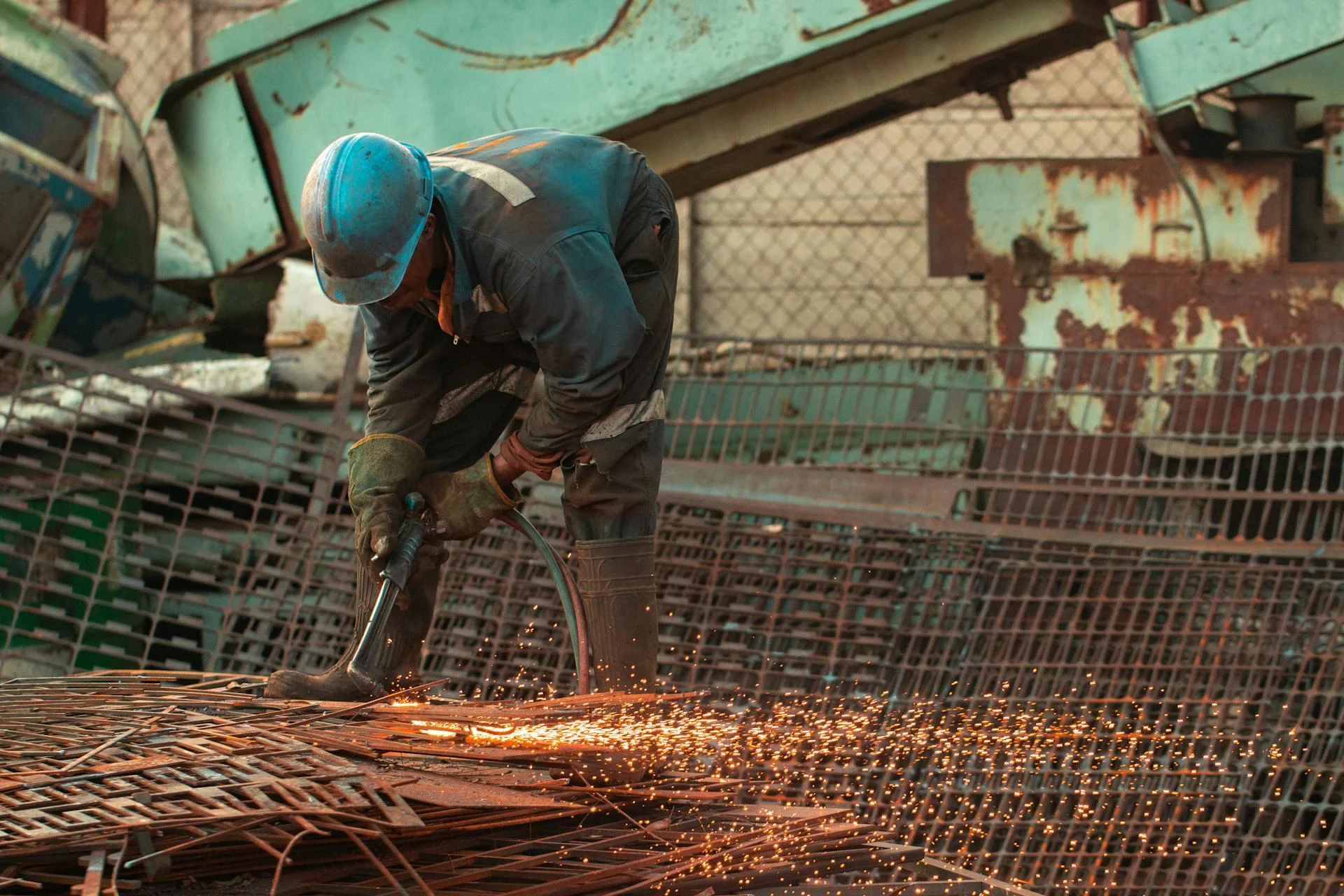
Structural iron and steel workers assemble metal frameworks for industrial buildings, skyscrapers, bridges, and similar structures.
They typically work at extreme heights, often walking on narrow beams suspended in the air. This results in a constant risk of falling, and even a single misstep can be fatal.
Beyond that, ironworkers can be hit and crushed by falling and swinging steel loads. Plus, the nature of the arduous manual work leaves them susceptible to severe muscle strain.
Typical skills required for this role include:
Physical endurance
Strength
Coordination
Rigging
Welding
#5. Refuse and Recyclable Material Collectors
Fatality rate: 37.4 per 100,000 workers
Median annual salary: $47,810
Refuse and recyclable material collectors have one of the most dangerous careers, even though they have one of the core civic duties. Some of the biggest risks are associated with traffic (e.g., being struck by an impatient driver or a motorist). Other dangers stem from constant heavy lifting as well as exposure to toxic waste and heavy machinery.
Typical skills required for this role include:
Physical stamina
Situational awareness
Sanitation and safety guidelines knowledge
Commercial driving
#6. Aircraft Pilots and Flight Engineers
Fatality rate: 36.7 per 100,000 workers
Median annual salary: $219,140
While commercial flights are renowned for being one of the safest modes of transportation, a broader category of aircraft pilots and flight engineers has a high occupational fatality rate. These are typically pilots of smaller aircraft, like private charters, crop dusters, and helicopters.
Notable risks associated with this profession stem from sudden mid-flight mechanical failures, unpredictable weather, and bad landing conditions.
Typical skills required for this role include:
Aeronautical knowledge
Meteorology
Hand-eye coordination
Emergency preparedness
#7. Construction Laborers and Helpers
Fatality rate: 35.8 per 100,000 workers
Median annual salary: $46,050
Construction laborers and helpers work in constantly changing environments filled with scaffolding, heavy tools, electrical systems, and other dangerous equipment. They are constantly exposed to OSHA Fatal Four hazards:
Falls
Struck-by incidents
Caught-in or between accidents
Electrocutions
Common causes of accidents include falling debris, malfunction of heavy power tools, trench collapses, and hits by heavy moving equipment.
Typical skills required for this role include:
Work ethic
Physical strength
Situational awareness
Safety awareness
Familiarity with safety protocols
#8. Underground Mining Machine Operators
Fatality rate: 35.6 per 100,000 workers
Median annual salary: $65,290
Underground mining machine operators work beneath the surface to extract rock, coal, and metal. This carries numerous risks associated with catastrophic mine cave-ins, toxic gas leaks, sudden underground explosions caused by combustible dust, and more.
On top of that, these professionals often operate or work near heavy machinery in tight, dark spaces, which pose crushing and shearing hazards.
Typical skills required for this role include:
Geological safety protocols
Heavy machinery operation
Emergency response coordination
#9. Delivery Truck Drivers
Fatality rate: 25.7 per 100,000 workers
Median annual salary: $42,770
Delivery truck drivers are a critical part of the supply chain, but their work environment is inherently lethal. Truckers spend most of their time on open highways, where there are constant risks of vehicle collisions, jackknifes, and rollovers.
Due to long driving hours, they can suffer from fatigue and become distracted, which increases the risk of accidents. Apart from driving, these professionals can also suffer injuries from loading and unloading heavy cargo.
Typical skills required for this role include:
Defensive driving abilities
Tolerance for solitude
Basic vehicle pre-trip inspection
#10. Grounds Maintenance Workers
Fatality rate: 20.9 per 100,000 workers
Median annual salary: $65,290
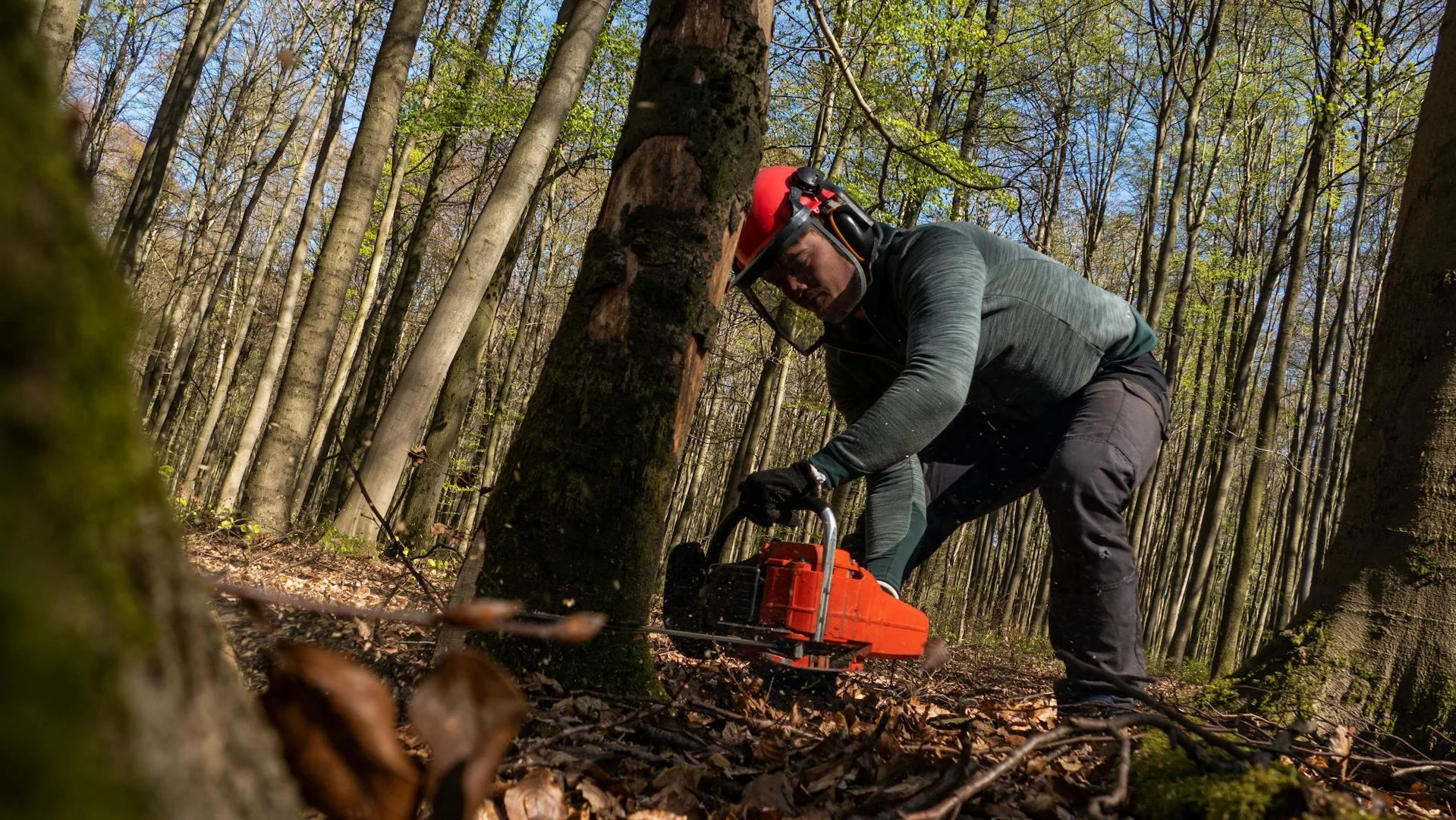
Grounds maintenance workers operate dangerous equipment, like chainsaws, lawnmowers, and landscaping machinery. Moreover, they often work in extreme heat or cold.
What makes this one of the most dangerous jobs in America is the fatalities caused during the transportation or handling of the equipment.
Typical skills required for this role include:
Physical endurance
Equipment handling
Adherence to safety procedures
Awareness of environmental hazards
7 Most Dangerous Jobs in the World
Many of the world’s most dangerous jobs are in developing regions across Asia, Africa, and South America. The nature of danger differs from that in jobs in the U.S., often stemming from unregulated labor, dangerous maritime operations, and heavy agricultural demand.
Notable examples include:
Artisanal and underground miners. Despite representing 1% of the global workforce, mining accounts for around 8% of global workplace fatalities. Dangers come from tunnel collapses, explosions, exposure to toxic gas, and even long-term respiratory disease.
Deep-sea fishermen. Heavy storms, equipment accidents, and long voyages account for more than 100,000 fishing-related deaths each year.
Agriculture workers. Agriculture is a dangerous occupation in both the U.S. and the world. With 35.8% of total global employment, agriculture accounts for about 210,000 worker deaths per year.
Construction workers. With at least 108,000 deaths per year, construction accounts for 30% of all occupational fatal injuries.
Shipbreaking. Poorly enforced regulations in some parts of the world (like South Asia) result in men working in this industry having a life expectancy of 20 years shorter than the average.
Firefighters. The job of a firefighter is inherently dangerous, with constant risks of structural collapse, smoke inhalation, toxic environments, and high heat. For example, over 50% of fire-related fatalities are from smoke exposure, rather than burns.
War correspondents and conflict journalists. Journalists reporting from war zones often face gunfire, bombings, and targeted violence. Modern active combat zones made journalism significantly more dangerous, with year-on-year records for press deaths between 2023 and 2025.
Dangerous Jobs That Pay Well: Is the Risk Worth It?
While that’s not always the case, many high-risk jobs offer above-average pay because the labor pool is significantly smaller. Fewer people are willing to work on a 50-story skyscraper or on fishing boats in freezing ocean waters. This forces employers to offer premiums to attract eager and capable workers.
Moreover, skilled trade unions like the International Brotherhood of Electrical Workers (IBEW) and the International Brotherhood of Teamsters often provide strong benefits, including death/disability insurance, for workers in hazardous industries.
Apart from compensation, another reason why people opt for some of the most dangerous jobs in the world is that many of them don’t require a college degree. This makes high-income occupations more accessible.
For instance, an ironworker can earn an annual salary of $60,000 with just a high school diploma. In contrast, many office jobs offer much lower entry-level salaries while requiring four-year degrees.
Here’s a quick comparison of some of the most dangerous jobs in the world that pay well:
Career | Degree Required | Median Salary |
|---|---|---|
Commercial Pilots | No (Needs License) | $219,140 |
Underground Mining Machine Operators | No | $65,290 |
Ironworkers | No | $61,940 |
Fishing and Hunting Workers | No | $55,945 |
Roofers | No | $50,970 |
Ultimately, whether the risk is worth it requires comparing financial upsides and accessible entry paths to short- and long-term dangers of physical injury and mental stress.
4 Tips on How to Write a Resume for a High-Risk Job
To write a resume for a high-risk job, you need to clearly show that you have the necessary skills and qualifications, and that you’re committed to workplace safety.
Here are four tips to help you write a resume for a high-risk job:
List relevant certifications and licenses. Valuable or must-have certifications (e.g., OSHA 10, OSHA 30, First Aid/CPR, Commercial Driver’s License, etc.) must be prominently featured in a dedicated section or even at the top of the resume.
Mention critical safety skills. Apart from job-specific hard and soft skills, you should also mention abilities like “hazard identification,” “rigging safety,” “emergency crisis management,” and “fall protection compliance.”
Leverage resume templates. Use one of the professional resume templates or ATS templates to optimally emphasize your apprenticeships, work experience, or union affiliations.
Use a professional resume builder. Take advantage of specialized software to ensure accurate formatting and a professional design that will help you pass applicant tracking systems and grab recruiters’ attention. You can try our AI-powered resume builder.
Want to make your resume in minutes with Resume.co?
Create my resumeClosing Thoughts
The most dangerous jobs in the U.S. and the world are necessary to keep modern society running. They often offer either higher pay or a lower barrier to entry than safer occupations, making them enticing options for capable professionals.
In this article, we’ve explained and ranked the most dangerous jobs in the world to help you understand the risks and determine whether one of those roles is for you.
If you know that you’re up to the task, check out some of the resume examples on our website and try out our resume builder. That will help you demonstrate your qualifications to recruiters and land the role you’re after.
Most Dangerous Jobs FAQs
#1. Which job has the highest risk?
The job that has the highest risk is that of logging workers. It’s the riskiest occupation by far, with a fatal injury rate of 110.4 per 100,000 workers. Fishing and hunting workers have the second-highest fatal injury rate of 88.8.
#2. What is the least dangerous job?
The least dangerous jobs are typically office-based occupations and remote desk jobs. Jobs like software engineering, accounting, graphic design, and human resources management are among the safest, as there’s minimal risk of physical hazards, and injury rates are among the lowest.
#3. Do dangerous jobs pay more?
Yes, dangerous jobs often pay more due to increased risk and a smaller pool of capable workers. Even though many of these jobs don’t require a four-year college degree, fewer people are willing to undergo rigorous training or to endure the physical hazards present in these occupations.